


Best Freelancing Sites: Where Freelancers Find Clients and Businesses Find Top Talent
Looking for Freelance Work but Not Getting Any Clients?
You created your portfolio.
You learned digital marketing.
You updated your LinkedIn profile.
Yet...
No inquiries.
No projects.
No income.
Sound familiar?
One of the biggest mistakes new freelancers make is waiting for clients to magically discover them.
Successful freelancers know where clients are already looking.
Likewise, business owners often struggle to find skilled freelancers they can trust.
The good news?
There are freelancing platforms that connect talented professionals with businesses around the world every single day.
This guide explores the best freelancing sites, how to choose the right one, and how both freelancers and business owners can use these platforms successfully.
Why Freelancing Platforms Matter
Freelancing websites remove one of the biggest challenges:
Finding each other.
Instead of spending months searching for opportunities, freelancers can connect directly with businesses actively hiring.
For business owners, these platforms simplify the hiring process by providing portfolios, reviews, work history, and communication tools in one place.
Pain Point for Freelancers
Many freelancers believe:
"If I'm good enough, clients will come."
Unfortunately...
Skill alone isn't enough.
Thousands of talented freelancers never get hired because potential clients simply don't know they exist.
Solution
Use freelancing websites as one part of your marketing strategy.
Instead of depending on one source of leads, combine:
Freelancing platforms
Personal website
LinkedIn
SEO
Content marketing
Referrals
The more places clients can find you, the more opportunities you'll create.
Pain Point for Business Owners
Hiring freelancers can feel risky.
Business owners often worry about:
Poor communication
Missed deadlines
Low-quality work
Fake portfolios
Unreliable freelancers
Choosing the wrong freelancer can delay projects and increase costs.
Solution
Instead of hiring based on price alone, evaluate freelancers based on:
Portfolio quality
Client reviews
Communication
Experience
Problem-solving skills
Industry expertise
The cheapest option is rarely the best investment.
1. Upwork
One of the world's largest freelancing marketplaces.
Best for:
Digital marketers
SEO specialists
Copywriters
Designers
Developers
Advantages:
Long-term clients
Secure payments
Large client base
Verified businesses
Potential downside:
Competition can be high for beginners.
2. Fiverr
Fiverr allows freelancers to create service packages called "Gigs."
Best for:
Logo design
SEO audits
Blog writing
Social media management
Video editing
Advantages:
Easy to start
Global audience
Passive lead generation
Tip:
Create multiple specialized gigs instead of one general service.
3. Freelancer.com
One of the oldest freelancing websites.
Ideal for:
Marketing
Programming
Writing
Graphic design
Data entry
Businesses post projects.
Freelancers submit proposals.
4. Toptal
Toptal focuses on highly experienced professionals.
Ideal for:
Senior marketers
Consultants
Developers
Designers
The screening process is rigorous.
However, successful applicants often gain access to premium clients.
5. PeoplePerHour
Popular among businesses in the UK and Europe.
Great for:
Marketing
SEO
Content creation
Virtual assistance
Excellent platform for building long-term client relationships.
6. LinkedIn
Many freelancers overlook LinkedIn.
That's a mistake.
LinkedIn is one of the best places to:
Build authority
Share expertise
Publish articles
Connect with decision-makers
Generate inbound leads
A strong LinkedIn profile often performs better than many freelancing platforms.
How to Stand Out on Freelancing Websites
Thousands of freelancers compete every day.
To increase your chances:
Build an Outstanding Profile
Include:
Professional photo
Clear headline
Detailed experience
Results you've achieved
Build a Portfolio
Clients want proof.
Show:
Website projects
SEO results
Content samples
Social media campaigns
Quality always beats quantity.
Specialize
Instead of saying:
"I do digital marketing."
Say:
"I help local businesses generate more leads through SEO."
Specialists earn more.
Write Better Proposals
Don't copy and paste.
Instead:
Address the client's problem.
Explain your solution.
Share relevant experience.
End with a clear call to action.
Clients appreciate thoughtful responses.
Don't Depend on Freelancing Websites Alone
Many successful freelancers eventually receive most of their work through:
Google Search
Personal websites
LinkedIn
Referrals
Email marketing
Repeat clients
Freelancing platforms are a great starting point—but building your own online presence provides greater long-term stability.
Learn from Trusted Industry Resources
If you want to improve your freelance career, these resources are worth exploring:
Upwork for finding freelance opportunities and industry research.
Fiverr for creating service listings and attracting global clients.
Freelancer.com for project-based work across multiple industries.
PeoplePerHour for freelance opportunities, particularly in the UK and Europe.
Toptal for experienced professionals seeking premium clients.
LinkedIn Jobs for networking and discovering freelance and contract opportunities.
HubSpot Blog for marketing insights that can help freelancers better serve their clients.
Google Digital Garage Archive for free digital marketing learning resources.
Final Thoughts
Freelancing websites are powerful tools—but they shouldn't be your only source of work.
The most successful freelancers build multiple channels for attracting clients.
Use freelancing platforms to gain experience.
Build a portfolio that demonstrates real results.
Publish valuable content that establishes your expertise.
Invest in SEO so clients can discover your website.
Grow your LinkedIn presence.
And always focus on solving business problems rather than simply selling services.
The goal isn't just to win your next project.
It's to build a freelance business that continues generating opportunities long into the future.
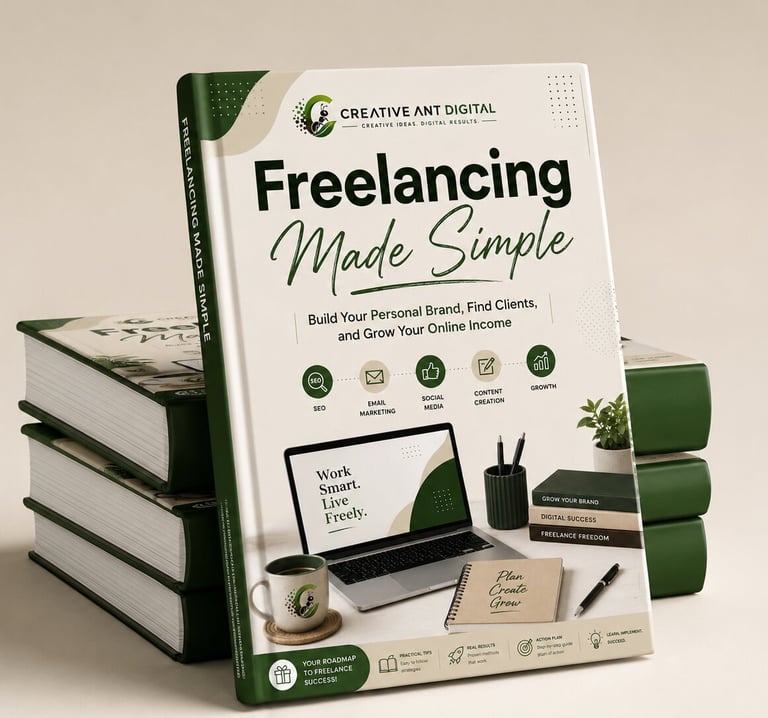
🎁 Free Freelancer Success Kit
Everything You Need to Start Freelancing—Free
Start your freelance journey with practical resources designed to help you build your personal brand, attract clients, stay organized, and grow your online income.
What's Inside:
📘 Freelancing Made Simple (Ebook)
📅 30-Day Freelancer Planner
🤖 100 AI Prompts for Freelancers
💼 Portfolio Template
💰 Invoice Template
📄 Client Proposal Template
📆 Content Calendar Template
✅ Freelancer Checklist
✓ Instant Access
✓ 100% Free
✓ No Experience Required
Related Articles