
Personal Branding for Freelancers: How to Build Trust, Authority, and More Clients in 2026
Nobody Hires the Most Talented Freelancer
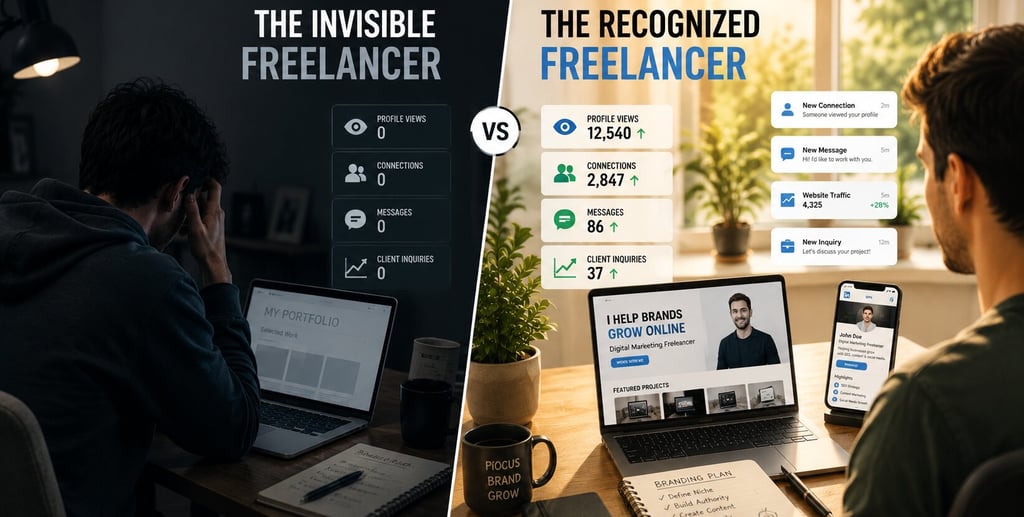
They hire the freelancer they remember.
Every day, thousands of freelancers compete for the same projects. Many have similar skills, similar pricing, and similar portfolios.
Yet some freelancers consistently attract opportunities while others struggle to get noticed.
The difference is often not skill.
It's personal branding.
A strong personal brand helps clients trust you before they ever speak with you. It creates familiarity, credibility, and authority. When done correctly, your brand works for you even when you're not actively looking for clients.
In today's freelance economy, your personal brand is one of the most valuable assets you can build.
What Is Personal Branding?
Personal branding is the process of intentionally shaping how people perceive you professionally.
It includes:
Your expertise
Your reputation
Your online presence
Your content
Your communication style
The value you consistently provide
According to LinkedIn's professional branding guidance, people are significantly more likely to engage with content from individuals than corporate brands.
People trust people.
That is why personal branding has become a powerful growth strategy for freelancers.
Why Personal Branding Matters More Than Ever
Freelancing has become increasingly competitive.
Clients can browse platforms, social media, portfolios, and marketplaces within minutes.
When potential clients evaluate freelancers, they often ask:
Can I trust this person?
Are they experienced?
Do they understand my industry?
Have they produced results before?
Will they be easy to work with?
A strong personal brand answers these questions before a client reaches out.
Benefits of Personal Branding
Attract higher-quality clients
Increase referrals
Build credibility
Charge higher rates
Create long-term visibility
Generate inbound opportunities
Differentiate yourself from competitors
Step 1: Define Your Positioning
One of the biggest mistakes freelancers make is trying to serve everyone.
Generalists often blend into the crowd.
Specialists stand out.
Instead of saying:
"I do digital marketing."
Try:
"I help local businesses generate leads through SEO and content marketing."
Or:
"I help e-commerce brands increase sales through Meta advertising."
Specific positioning makes you memorable.
Step 2: Build a Professional Online Presence
Your online presence is often the first impression clients receive.
At a minimum, freelancers should have:
A Professional Website
Your website should include:
About page
Services page
Portfolio
Testimonials
Contact page
Educational blog
Google's Search Central documentation emphasizes creating helpful, people-first content that demonstrates expertise and trustworthiness.
A professional website supports all three.
Optimized LinkedIn Profile
LinkedIn remains one of the most powerful platforms for freelancers.
Your profile should include:
Professional headline
Clear value proposition
Portfolio examples
Skills
Recommendations
Consistent activity
Read our guide on LinkedIn Tips for Freelancers to maximize visibility and client opportunities.
Step 3: Create Content That Demonstrates Expertise
The fastest way to build authority is to teach.
Most freelancers focus on selling.
Successful freelancers focus on helping.
Content ideas include:
Case studies
Industry insights
Tutorials
Lessons learned
Marketing trends
Client success stories
Common mistakes
Content creates evidence of expertise.
When clients consume your content, they begin to trust your knowledge before contacting you.
This is one reason why content marketing remains a cornerstone strategy recommended by HubSpot and Content Marketing Institute.
Step 4: Showcase Results, Not Just Skills
Clients care about outcomes.
Instead of saying:
"I provide SEO services."
Show:
Traffic increases
Keyword growth
Lead generation improvements
Conversion improvements
Instead of saying:
"I manage social media."
Show:
Engagement growth
Audience growth
Reach improvements
Lead generation results
Data builds trust.
Results build authority.
Step 5: Build Social Proof
Social proof reduces risk in the client's mind.
Ways to build social proof include:
Testimonials
Request feedback after successful projects.
Case Studies
Document:
The challenge
Your solution
The outcome
Recommendations
LinkedIn recommendations can significantly improve credibility.
Certifications
Relevant certifications from platforms like:
can strengthen trust signals.
Step 6: Become Consistently Visible
Many freelancers disappear for months and wonder why opportunities stop coming.
Visibility compounds over time.
Consistency matters more than frequency.
Choose one or two channels:
LinkedIn
X
Facebook
Instagram
YouTube
and show up regularly.
According to marketing research from HubSpot, consistency plays a major role in audience growth and trust development.
Step 7: Build Authority Through Thought Leadership
Thought leadership means sharing insights rather than repeating information.
Ask yourself:
What trends am I noticing?
What mistakes do I frequently see?
What lessons have I learned from projects?
Your experiences are valuable.
Clients often hire freelancers because of their perspective, not just their technical skills.
Step 8: Network Strategically
Personal branding is not only about content.
It is also about relationships.
Engage with:
Industry leaders
Potential clients
Fellow freelancers
Online communities
Useful communities include:
LinkedIn Groups
Reddit professional communities
Industry forums
Marketing communities
Building relationships often creates opportunities that advertising cannot.
Common Personal Branding Mistakes
Avoid:
Being Inconsistent
Posting once every few months will not build recognition.
Copying Other Creators
Authenticity is more memorable than imitation.
Focusing Only on Yourself
Provide value before promoting services.
Ignoring Your Website
Your website should be the central hub of your personal brand.
Trying to Appeal to Everyone
Specialization creates differentiation.
The Personal Branding Flywheel
The most successful freelancers often follow this cycle:
Create Content → Build Trust → Attract Visitors → Generate Leads → Deliver Results → Gain Testimonials → Strengthen Brand → Attract Better Clients
Each step strengthens the next.
Over time, your personal brand becomes a competitive advantage that is difficult to replicate.
Final Thoughts
Freelancers often believe they need more certifications, more tools, or more experience.
In reality, many simply need better visibility.
Personal branding is not about becoming famous.
It is about becoming known by the right people.
A strong personal brand builds trust before conversations begin, attracts opportunities while you sleep, and helps you stand out in a crowded marketplace.
Your skills may win projects.
Your personal brand helps clients find you in the first place.
Start building it today.
🎁 Free Freelancer Success Kit
Everything You Need to Start Freelancing—Free
Start your freelance journey with practical resources designed to help you build your personal brand, attract clients, stay organized, and grow your online income.
What's Inside:
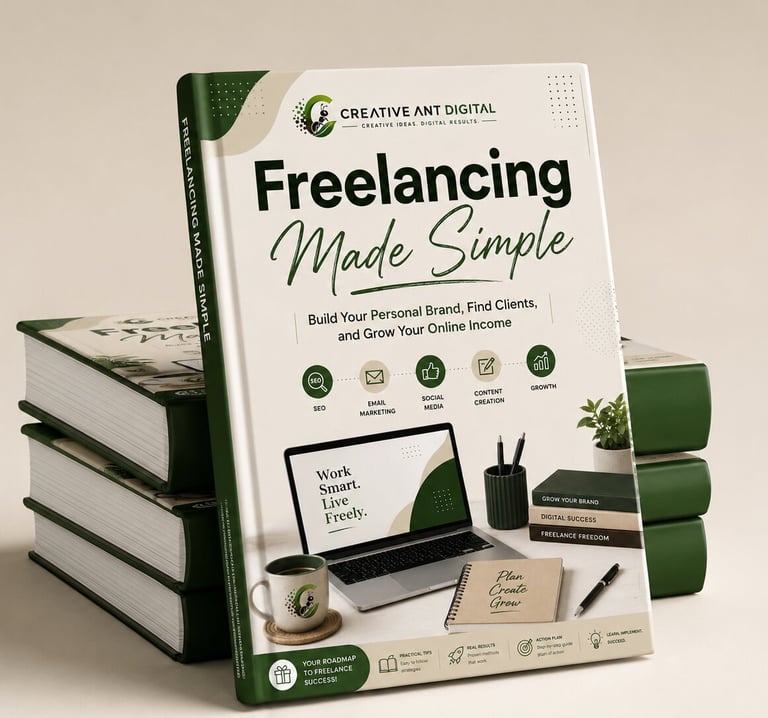
📘 Freelancing Made Simple (Ebook)
📅 30-Day Freelancer Planner
🤖 100 AI Prompts for Freelancers
💼 Portfolio Template
💰 Invoice Template
📄 Client Proposal Template
📆 Content Calendar Template
✅ Freelancer Checklist
✓ Instant Access
✓ 100% Free
✓ No Experience Required
Related Articles